
When I was seven, my family lived in a little suburb called Chandler, Arizona—a neighborhood full of kids, open streets, and endless afternoons outside. I never lacked playmates. But every once in a while, my friends were busy with chores, homework, or—tragically—grounded. That’s when I got creative about who else I could “hang out” with.
The Coolest Adult on the Block
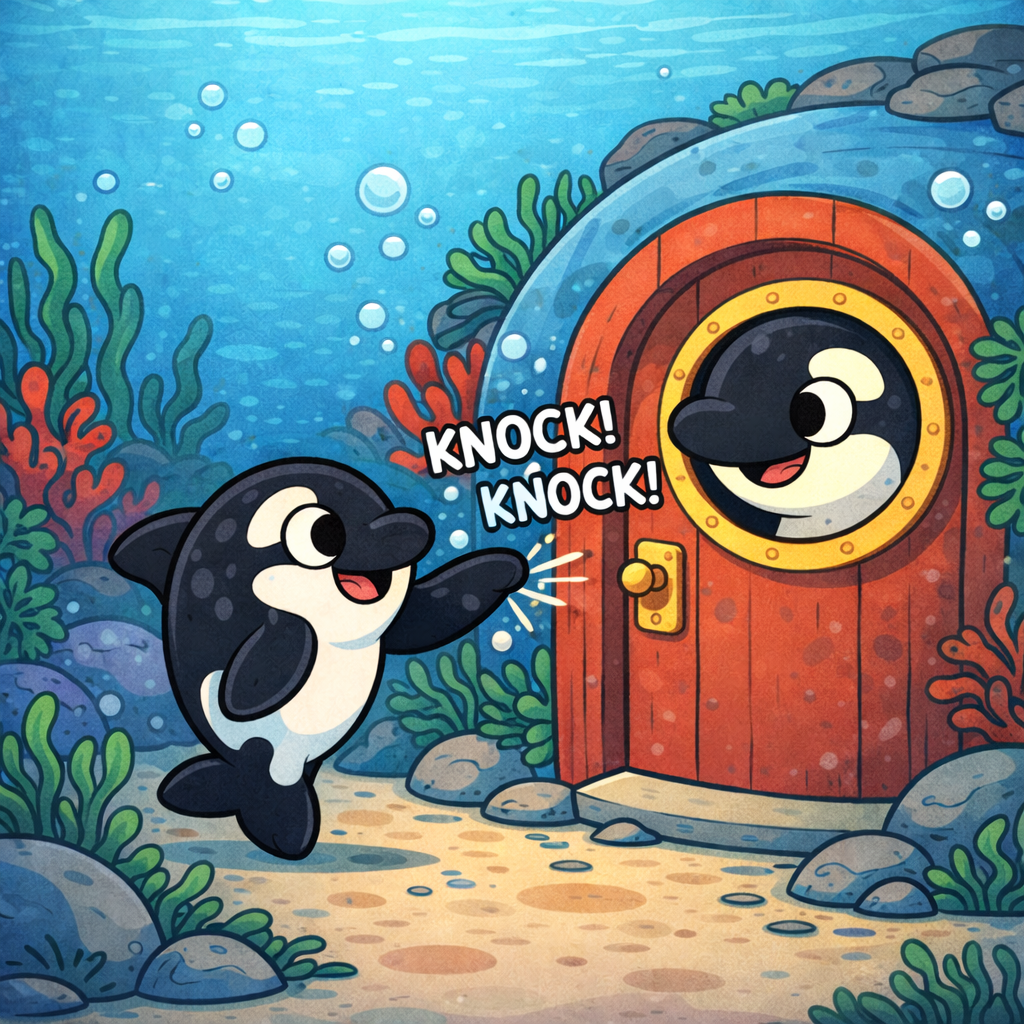
Across the street lived a woman named Julie. She had no kids of her own, worked as a flight attendant, and to my seven-year-old self, she was the coolest grown-up I knew.
Every so often, I would walk to her house, ring the doorbell, and—without hesitation—invite myself in to chat.
And Julie never seemed bothered. She taught me how to make iced tea. She’d listen to my stories. And when her husband came home or she needed to get back to her day, that was my cue to head out.
I don’t remember how often I visited—maybe once a week, maybe more—but she always greeted me kindly. One time, before a trip to China, she even asked what I wanted her to bring back. I had no idea what came from China, so I said, “Fake Chinese money?” And sure enough, she brought back play money just for me.
It honestly felt like we had a real friendship.
When My Parents Shut It Down
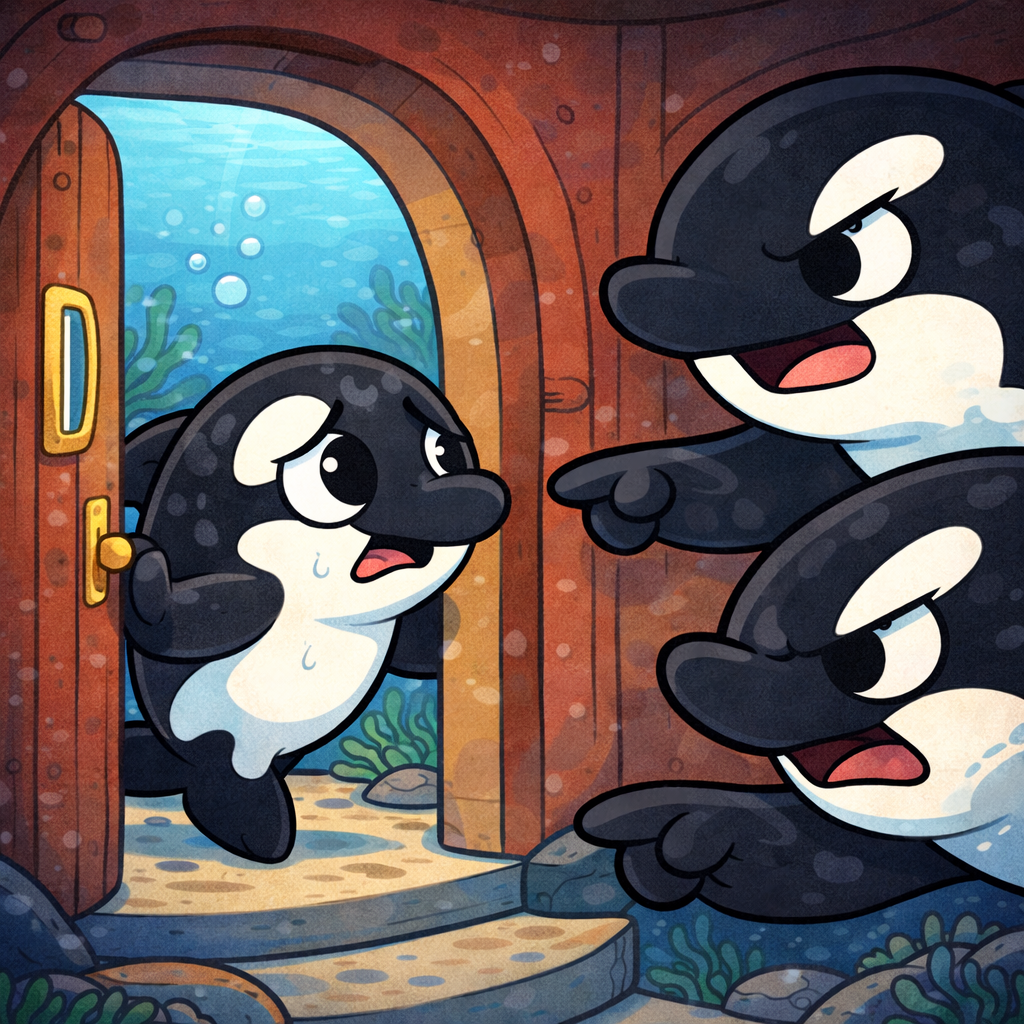
One day, out of nowhere, my parents told me:
“Stop going over and bugging Julie.”
I was stunned. Had Julie said something? Did I do something wrong?
“No,” they explained. “She’s just being polite. But you can’t keep going over there.”
Whether they were worried about safety or about propriety, I still don’t know. But I listened, and I stopped visiting her entirely.
Not long after, as we prepared to move away, I overheard my parents mention that Julie was expecting her first baby and had stopped flying. I felt excited for her—and sad I wouldn’t be around to meet her child.
That moment left a deeper impression than I realized.
The Pressure to “Not Bug Adults”
After that, I became hyper-aware of my interactions with grown-ups. I stopped initiating conversations or forming those spontaneous little friendships I used to love.
It wasn’t that I didn’t like adults—I actually thrived around adults who treated me like the smart, curious kid I was. But I internalized the idea that being around adults might be “bothering” them.
And so, like many kids do after gentle but confusing parental warnings, I retreated.
Raising Kids in a More Cautious Era
Now, as a parent myself, I see how complicated this is. My kids are curious about adults they meet—neighbors, friends, our nanny’s relatives, people we bump into regularly.
But we live in a world where kids approaching adults alone feels riskier, more anxiety-inducing.
Even our nanny gets nervous when the kids want to go knock on a neighbor’s door.
And yet…
I want them to have the confidence to talk to adults we know.
I want them to learn how to ask for help, how to have small conversations, how to build a sense of community.
Which brings me to the propeller car.
The Propeller Car Problem
Recently, my middle child, Kaveh, built a propeller-powered cardboard car. Simple but brilliant. But that night, our cat Marco destroyed the propeller, and Kaveh was devastated.
We brainstormed solutions:
Buy a new kit?
Borrow another fan?
Give up?
Finally, I suggested, “Why don’t you ask our neighbor Sam if he could 3D-print a new fan?”
Kaveh immediately said no.
He wanted me to ask.
But I told him gently, “It’s your car. You can figure this out—and I believe you can.”
He thought about it for a while.
Then he gathered his courage, walked next door, rang Sam’s doorbell, and explained his situation.
Sam didn’t have a model for the fan. Kaveh came home disappointed, but we told him how proud we were that he asked. That was the real victory.
A couple of hours later, Sam surprised us by showing up with a freshly printed propeller. He’d found a model after all. Kaveh tested it—it worked perfectly—and he thanked Sam with a huge smile on his face.
We thanked him, too, and I reminded Kaveh:
“This is what happens when you step out of your comfort zone. Someday, Sam might knock on our door because he needs help from you.”
Why These Micro-Interactions Matter
As parents, we can’t shield our kids from every risk, but we can guide them through safe, meaningful interactions with adults we trust.
My husband is especially good at this—taking the kids out for little neighborly “hello” walks. Sometimes they turn into playdates. Sometimes it’s just a quick catch-up. But every little micro-interaction builds something important:
- Confidence
- Social skills
- A sense of community
- Trust in their own voice
It’s what people mean when they say:
“It takes a village.”
And these small moments?
They’re how a village is built—one friendly knock on the door at a time.
If this post resonated with you, share it with a fellow parent who’s trying to help their kids grow socially and confidently. These little moments matter.
Comments
3 responses to “How I’m Teaching My Kids to Interact Confidently With Adults”
Loved it.
I resonate with this so much.
If I miss so much it’s you guys and the neighborly we were.
I can totally see Nayakan stopping by asking Oliver if they could play together.
I remember you showing up to take a short walk around the neighborhood.
I, myself had thought about and try to push my kids to go out and simply order what they want from the paletero man, saying thank you to someone, but part of them being shy or not knowing how to go out and interact. More of these please.
I miss being your neighbor too! I’m glad we’re still in each others lives.
Gently nudges to interact, and of course a protective eye, especially when they are young.
What a beautiful story. Thank you.